Dental Emergency Plano TX and the Importance of Quick Diagnosis
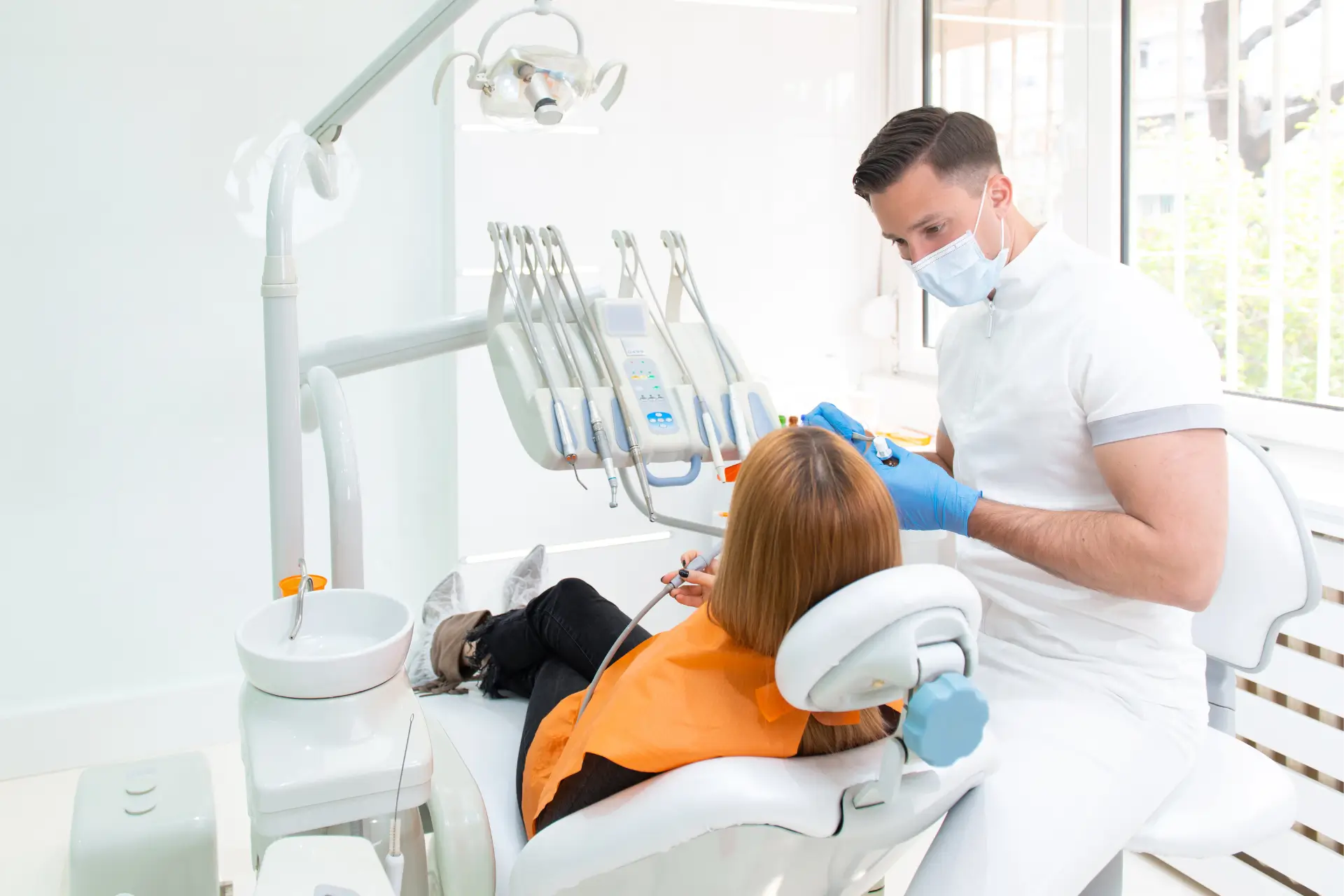
A true dental emergency rarely arrives at a convenient time. It starts with a cracked molar during dinner, a child waking up with facial swelling at 2 a.m., or a dull toothache that turns sharp and throbbing before the workday even begins. What catches many people off guard is not just the pain. It is the speed. Dental problems can move fast, and the difference between a manageable repair and a far more complicated treatment often comes down to how quickly the problem is identified.
That is why quick diagnosis matters so much. In urgent dental care, the first question is not always, “How do we stop the pain?” It is often, “What exactly is causing it?” Two patients can describe the same severe ache and have entirely different underlying problems. One may have a cracked tooth that needs immediate protection. Another may have an infection spreading toward the jaw or sinus. A rushed guess can miss the real issue. A careful, timely diagnosis gives the dentist a chance to control pain, preserve the tooth when possible, and reduce the risk of serious complications.
For families looking for Dental Emergency Plano TX services, this point is especially important. Access matters, but speed without accuracy is not enough. The right office moves quickly while still taking the time to determine whether the problem involves trauma, infection, decay, gum disease, a failing restoration, or something outside the tooth entirely.
Pain is a symptom, not a diagnosis
One of the biggest misconceptions patients have is that pain tells the whole story. It does not. Pain is useful, but it is only one clue. A tooth can be badly infected and surprisingly quiet at first. A small fracture can cause intense sensitivity when biting, then disappear for hours. Gum abscesses can mimic toothaches. Sinus pressure can feel like upper molar pain. Temporomandibular joint irritation can even send discomfort into the teeth.
In practice, this is where quick diagnosis changes outcomes. A dentist evaluating an emergency will often look for several patterns at once. Is the pain spontaneous or triggered by cold? Does it linger for seconds or minutes? Is there swelling? Is the tooth loose? Was there recent trauma? Is chewing worse than temperature sensitivity? Each answer narrows the field.
A patient may call and say, “I just need antibiotics.” Sometimes antibiotics are appropriate, especially when swelling or infection is involved, but they are not a cure for most dental emergencies. If the source is a dying nerve, trapped decay, or a fracture extending under the gumline, medication alone will not solve the problem. The source must be identified and treated.
That distinction matters because dental infections are not harmless. An untreated infection in the mouth can spread into deeper tissues, affect eating and sleep, and in some cases become a broader medical concern. Dentists who handle emergencies know that the goal is not simply to quiet symptoms for the weekend. It is to determine what is happening before the condition worsens.
Why the first few hours can matter
Not every urgent dental problem becomes dangerous within hours, but some do. Trauma is a good example. A knocked-out permanent tooth has a much better chance of being saved if it is handled correctly and reimplanted quickly. A fractured front tooth may seem cosmetic at first glance, yet the crack can expose deeper structures and raise the risk of infection if treatment is delayed. Swelling that begins around one tooth can spread into the cheek or under the jaw faster than many people expect.
Even when the issue is less dramatic, time still affects treatment options. A small crack can widen under normal chewing. A cavity that has reached the nerve does not reverse on its own. A loose crown can lead to additional decay or tooth fracture if the exposed tooth is left unprotected. What might have been handled with a filling, adjustment, or crown repair can turn into root canal treatment, extraction, or a more expensive restoration if the problem is allowed to progress.
I have seen patients try to “test” a painful tooth for several days by chewing carefully on the other side, rinsing with warm salt water, and hoping the discomfort settles down. Sometimes it does briefly, which creates false confidence. Then the pain returns stronger, often after business hours, and the visit becomes more urgent than it needed to be. Temporary relief can be deceptive. It does not mean the disease process has stopped.
The emergencies people tend to underestimate
Some dental emergencies are obvious. A broken tooth after a fall gets immediate attention. Facial swelling usually motivates a quick call. But there are several situations people routinely downplay, even though they deserve prompt evaluation.
A cracked back tooth is high on that list. The tooth may not look terrible in the mirror, and there may be no blood, yet the patient feels a sharp zing when biting on one specific spot. That symptom often points to a structural problem, not just sensitivity. Catching the crack early can be the difference between stabilizing the tooth with a crown and losing the tooth because the fracture extends too far.
Another commonly underestimated issue is a crown or filling that “just fell out.” If the tooth underneath is structurally weak or decayed, waiting too long can allow it to chip, shift, or become painfully temperature sensitive. The same applies to a tooth that feels suddenly high when biting after recent dental work. Sometimes the bite needs a simple adjustment, but when the pressure remains concentrated in one area, it can inflame the ligament around the tooth and become surprisingly painful.
Children add another layer of complexity. A primary tooth injury may not seem urgent because “it will fall out anyway,” yet trauma can affect the developing permanent tooth or cause infection. On the other side, a child’s newly erupted permanent tooth that is displaced or fractured needs timely professional attention. The window for protecting https://telegra.ph/Dental-Emergency-Plano-TX-When-to-Go-Now-Not-Later-09-07 long-term function and appearance is not unlimited.
What a fast, proper diagnosis usually includes
When patients picture emergency dental care, they often think of a quick glance and a prescription. Good emergency dentistry is more disciplined than that. The dentist is trying to answer several questions at once: Is the tooth restorable? Is there active infection? Is this pain coming from the tooth itself, the gums, the bite, or a neighboring structure? Does the patient need same-day treatment, temporary stabilization, or referral to a specialist?
A quick diagnosis does not mean a careless one. It often includes a visual exam, percussion testing, thermal testing, evaluation of mobility, and dental imaging when indicated. Radiographs can reveal decay near the nerve, infection at the root tip, bone loss, hidden fractures, or changes around prior root canal treatment. Still, imaging is only part of the picture. Some cracks do not show clearly on X-rays. That is where history, bite testing, and the dentist’s judgment become essential.
Patients are sometimes surprised when the dentist asks detailed questions about timing, triggers, prior dental work, recent illnesses, or whether the pain wakes them at night. Those questions are not routine filler. They help separate reversible irritation from irreversible nerve damage, or localized inflammation from a spreading infection.
This is also why self-diagnosis online often creates confusion. Search results tend to flatten everything into simple categories. Real cases are messier. A person can have decay under an old crown, gum inflammation around the same tooth, and a bite problem after clenching, all at once. The treatment that works depends on which finding is primary.
Symptoms that should prompt a same-day call
Some situations can wait a short time with careful monitoring, but certain symptoms should trigger a same-day call to a dental office or urgent medical evaluation if breathing or swallowing is affected.
- Facial swelling, gum swelling with pain, or swelling that seems to be spreading
- A knocked-out permanent tooth, or a tooth displaced after trauma
- Severe tooth pain that is constant, throbbing, or waking you from sleep
- Uncontrolled bleeding in the mouth after an injury or extraction
- A broken tooth with exposed inner structure, sharp pain, or significant loss of tooth shape
These signs do not always mean the worst-case scenario, but they do require prompt professional judgment. Waiting to “see what happens” can narrow treatment options.
Quick diagnosis often saves teeth, not just comfort
It is easy to frame emergency dentistry around pain relief, and pain relief certainly matters. Anyone who has lived through an abscessed tooth or a fractured molar knows how consuming dental pain can be. But the bigger goal is often preservation.
Take a tooth with deep decay. If the pulp is inflamed but not irreversibly damaged, early intervention may preserve vitality. If the nerve has already failed or infection has formed around the root, the treatment path changes. With a cracked tooth, the sooner the crack is stabilized, the better the odds of keeping the tooth structurally sound. With trauma, prompt repositioning or splinting can support healing. Delay does not guarantee tooth loss, but it raises the stakes.
There is also a financial reality here. Early diagnosis often costs less than delayed rescue. A chipped filling may need replacement. A neglected fracture may require a crown. An untreated infection may lead to root canal treatment and a crown, or extraction followed by an implant or bridge. While cost should never be the only factor driving decisions, it is part of responsible planning. Timely care often protects both oral health and the budget.
The difference between urgent, emergency, and routine problems
Patients frequently ask whether their situation is truly an emergency. The answer depends on symptoms, timing, and the risk of progression. Not every dental problem needs an after-hours visit, but many deserve evaluation within a day or two rather than waiting weeks.
A mild, brief sensitivity to cold after whitening is usually not an emergency. A dull ache around a wisdom tooth with swelling and difficulty opening the mouth may be urgent. A lost retainer is inconvenient but not a dental emergency. A tooth broken below the gumline after biting ice is. Gum bleeding from aggressive flossing is not typically urgent. Bleeding that follows trauma and does not stop with pressure is another matter.
This is where a phone triage conversation can be very useful. A well-run dental office will ask focused questions to decide whether you need immediate care, same-day treatment, or the next available appointment. They may also advise whether a medical emergency room is more appropriate, especially when swelling affects breathing, swallowing, or general health.
What to do while you are trying to get seen
The time between the onset of symptoms and the dental visit matters. Good first-aid steps cannot replace treatment, but they can reduce damage and improve comfort.
- If a permanent tooth is knocked out, handle it by the crown, not the root, and keep it moist in milk or saliva if it cannot be reinserted immediately
- Use a cold compress outside the face for swelling or trauma, in short intervals
- Rinse gently with warm salt water if the area is irritated, unless active bleeding after trauma requires direct pressure first
- Avoid chewing on the affected side, especially if a tooth is cracked, loose, or missing a restoration
- Use over-the-counter pain medication only as directed, and do not place aspirin directly on the gum or tooth
One practical note that many people do not hear soon enough: save any broken tooth fragments, crowns, or restorations if you can find them. Sometimes they help with repair or at least with determining what happened.
Why local access matters in a dental emergency
Location becomes very important when pain is acute or trauma is involved. For residents and families searching for Dental Emergency Plano TX care, proximity is not just convenience. It can affect timing, comfort, and treatment success. A short drive is easier when a child is crying from a fractured tooth, when an adult’s face is swelling, or when a knocked-out tooth needs attention without delay.
Local offices also tend to understand regional patterns that affect emergency visits. In growing suburban communities, dentists often see a mix of youth sports injuries, weekend recreational trauma, stress-related clenching in working adults, and older restorations failing in long-term residents. That experience shapes how an office schedules emergencies, what equipment it keeps ready, and how efficiently it can move from evaluation to treatment.
There is value in continuity as well. If the emergency provider can access your records, recent X-rays, and treatment history, the diagnosis often becomes clearer. A tooth with prior root canal treatment, a known large filling, or a history of intermittent symptoms tells a different story than a previously untouched tooth. Even when a new office handles the emergency, good communication and record transfer can improve follow-up care.
The emotional side of dental emergencies is real
People do not always arrive at an emergency visit calm and clear-headed. Some are in panic because the pain feels overwhelming. Others are embarrassed that they waited too long. Parents often feel guilty after a child’s injury, even when the accident was unavoidable. Patients with dental anxiety may delay calling until the problem becomes impossible to ignore.
A good diagnostic process takes this into account. It slows the emotional spiral by creating clarity. Once the dentist can say, “This is a cracked cusp, and here is what we can do today,” or “This swelling is coming from an infected tooth, and we need to drain or treat it promptly,” the uncertainty starts to lift. Even when the news is not ideal, certainty is easier to manage than guessing.
This is one reason bedside manner matters so much in emergency care. Technical skill is essential, but so is the ability to explain findings plainly. Patients need to understand not only what hurts, but why it hurts, what can be done immediately, and what may need to happen next. When that communication is missing, people often leave with a prescription, a temporary patch, and lingering confusion. That confusion can lead to missed follow-up, recurring pain, and preventable deterioration.
When a quick diagnosis leads to temporary treatment first
Not every emergency can be fully resolved in one visit. Sometimes the goal is to stabilize the situation and buy time safely. A tooth with swelling may need drainage and medication before definitive root canal treatment. A fractured tooth may require smoothing, bonding, or a protective temporary restoration before a crown. A patient with severe inflammation may need pain control and occlusal adjustment before further treatment can be tolerated.
Temporary treatment is not a failure. It is often a sign of sound judgment. The key is that the temporary measure should be based on a real diagnosis and paired with a clear plan. “Watch it and see” is very different from “The nerve is irreversibly inflamed, we reduced your pain today, and you need root canal treatment within the next few days.”
This is also where the phrase Dental Emergenc, awkward as it looks in isolation, points to something patients feel during these visits: urgency compresses decisions. People are in discomfort, they want relief fast, and they may be making financial and scheduling choices under stress. A dentist who diagnoses well helps patients make those choices with a steadier hand.
Preventing the next emergency starts with understanding this one
An emergency appointment often reveals more than the immediate problem. A broken tooth might expose nighttime grinding. Repeated lost fillings may point to heavy bite forces or untreated decay. Gum abscesses can uncover periodontal disease that has gone unnoticed. Trauma in a child may highlight the need for a sports mouthguard. Quick diagnosis should not stop at the painful tooth. It should also ask, “Why did this happen now, and how do we reduce the chance of a repeat?”
That broader view makes emergency care more valuable. It turns a crisis visit into a turning point. Once the urgent problem is addressed, the patient can move into prevention with more precision, whether that means bite protection, overdue restorative work, better home care, periodontal treatment, or simply not postponing a tooth that has been warning them for months.
A dental emergency is stressful by nature, but it does not have to become a larger health problem. Fast, thoughtful diagnosis gives the dentist the information needed to act with purpose. It protects teeth that can still be saved, identifies infections before they escalate, and helps patients move from pain and uncertainty toward a treatment plan that makes sense. When minutes and days can change the outcome, getting the diagnosis right, and getting it right quickly, is the part that matters most.
Vitality Dental
Address: 1220 Coit Rd #106, Plano, TX 75075
Phone number: +19726454100
FAQ About Dental Emergency Plano TX
What can the ER do for a tooth?
An emergency room (ER) can manage pain and treat severe infections with medication, but it cannot fix or pull a tooth.
What is considered a dental emergency?
A dental emergency is any oral health problem that involves severe pain, uncontrollable bleeding, or an infection that threatens your health or requires immediate care to save a tooth.
Is there a 24-hour dental service in Plano, TX?
There is no physical dental clinic in Plano, Texas, that stays open with walk-in staff 24 hours a day, but several offices offer 24/7 phone support, late-night hours, or same-day emergency care.