How an Emergency Dentist Handles Broken Veneers
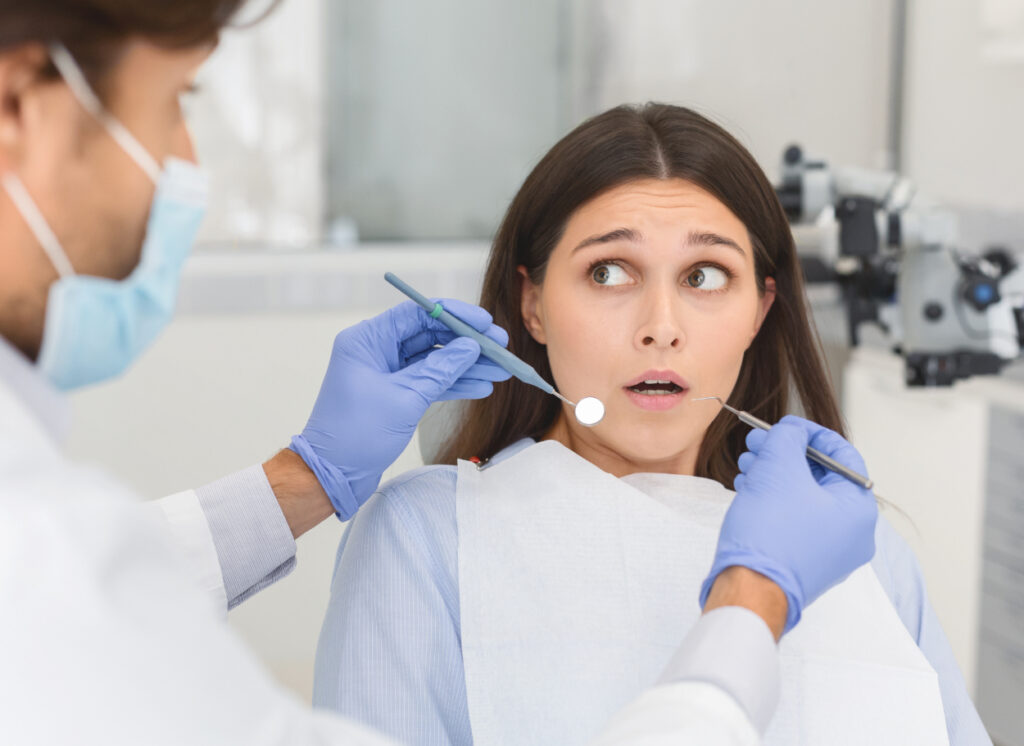
A broken veneer tends to create two problems at once. The first is obvious, the appearance of a front tooth that suddenly looks chipped, uneven, or darker than the one beside it. The second is often more urgent, the uncertainty about what, exactly, has failed underneath. Patients usually notice the cosmetic change first. In the chair, the clinical question is broader. Did only the porcelain fracture, or did the bond fail? Is the natural tooth intact? Has the underlying tooth become sensitive because dentin is exposed? Did the veneer break because of a one-time impact, or because the bite has been stressing it for months?
That is why a visit to an Emergency Dentist for a broken veneer is not simply a cosmetic patch-up. It is an assessment of structure, pain, function, and timing. Some cases can be stabilized in one visit with straightforward polishing or rebonding. Others need a more deliberate approach, especially when the veneer fracture points to a cracked tooth, deep bite interference, nighttime grinding, or decay at the margin.
Patients are often surprised by how much judgment goes into what seems like a small repair. Veneers are thin restorations. They are beautiful when well-designed and well-maintained, but they rely on precise bonding, enough remaining enamel, and a bite that does not punish them.
What usually causes a veneer to break
Most broken veneers do not happen out of nowhere. Even when the event feels sudden, the setup often developed over time. A patient bites into a crust of bread, catches a fork on a lower incisor, wakes up after clenching all night, or takes an accidental elbow during a weekend basketball game. The fracture is immediate, but the vulnerability may have been present for months or years.
Porcelain veneers typically fail in one of a few ways. Sometimes a small corner chips while the rest of the veneer remains bonded and stable. Sometimes the entire veneer debonds and comes off in one piece. In more complicated situations, the veneer breaks and takes part of the underlying tooth structure with it. Composite veneers can chip too, though the management differs because the material behaves differently and is easier to repair directly.
Bite is one of the biggest contributors. I have seen beautifully made veneers fail because the front teeth were absorbing too much force in a patient with a deep overbite. Night grinding is another common factor. Patients often insist they do not grind because they have never heard themselves do it, yet wear facets on the back teeth and chipped porcelain on the front tell a different story. Habits matter as well. Tearing tape, opening packaging with teeth, chewing ice, and absentmindedly biting pens all raise the risk.
Age of the veneer matters, but not in a simple way. A veneer that has lasted ten or fifteen years has already proven a lot about the original preparation and bond. Yet margins can wear, cement can discolor, and the tooth can change underneath. An older veneer that breaks deserves a closer look because the treatment may be less about replacing the porcelain and more about reevaluating the whole tooth.
When a broken veneer is a true dental emergency
Not every broken veneer requires same-day treatment, but many situations justify urgent care. Cosmetic distress alone can be significant when the damaged tooth is in the smile line, especially before work, travel, or a major event. Still, an Emergency Dentist is most concerned about specific risks: pain, sharp edges, exposed tooth structure, looseness, trauma, and infection.
A chipped veneer with no pain may be inconvenient rather than dangerous. A veneer that has fallen off and left a smooth tooth underneath might be manageable for a day or two. By contrast, severe sensitivity to air or cold suggests dentin exposure. Throbbing pain can signal pulpal irritation, a cracked tooth, or trauma beyond the veneer itself. If the veneer broke during a facial injury, the dentist also has to rule out root fracture, tooth displacement, and damage to surrounding soft tissue.
There is another category that gets overlooked: the nearly detached veneer. A partially bonded restoration that moves slightly when touched can create leverage on the tooth every time the patient speaks or bites. That kind of case is best seen promptly. The veneer may not be salvageable, but continued movement can make a smaller problem larger.
What to do before you get to the office
The first few hours matter, mostly because calm handling improves the odds of a clean repair or useful temporary fix. Patients understandably want to test the tooth with their tongue, keep checking the mirror, or snap the veneer back into place themselves. That usually causes more trouble.
If the veneer has come off completely, rinse it gently and store it in a clean container. If the tooth feels sensitive, avoid very hot or cold foods. If a sharp edge is scraping the lip or tongue, orthodontic wax from a pharmacy can help until you are seen. Over-the-counter pain relief may be appropriate if you normally take it safely, but severe or escalating pain deserves direct advice from the dental office.
Here is the short version of what helps most before the appointment:
- Save the veneer if it came off intact.
- Do not use household glue or over-the-counter adhesives to reattach it.
- Avoid biting with that tooth, especially into hard or crusty foods.
- Cover irritating sharp areas with dental wax if available.
- Call an Emergency Dentist promptly if there is pain, swelling, bleeding, or recent trauma.
That last point matters because timing changes options. A tooth that is merely exposed and sensitive on day one may become much harder to manage after repeated irritation.
How the emergency appointment usually begins
The first part of the visit is less dramatic than many patients expect. Good emergency care starts with a history and a careful examination, not an immediate attempt to stick something back on. The dentist wants to know when the veneer broke, whether there was a specific accident, if the tooth had prior sensitivity, whether the veneer was recently placed, and whether the patient has a history of clenching or grinding. Those details help separate a straightforward bond failure from a structural or bite-related problem.
Next comes the clinical exam. The dentist checks the veneer itself if it is available, looking at the fracture pattern, the amount of remaining cement, and whether the inside surface is contaminated or damaged. The tooth is inspected for exposed dentin, visible cracks, decay at the margin, gum irritation, mobility, and occlusal wear. A small chip often tells one story. A fracture line that runs under the gumline tells another.
Photographs are often useful, especially for front teeth. They help document the original shade, shape, and fracture extent. If replacement is likely, those photos can guide the lab or chairside reconstruction later. X-rays may be taken if the dentist suspects trauma to the root, decay beneath the veneer, or changes in the nerve of the tooth. A tooth that fractured during a sports injury, for example, deserves more than a quick surface repair.
An experienced Emergency Dentist is also evaluating the bite from the beginning. If the veneer broke because the lower teeth strike that area too heavily, simply repairing the chip without addressing the contact may invite a repeat failure in weeks.
The main types of broken veneer cases
Broken veneer emergencies tend to fall into a few practical categories, and treatment follows the category rather than a one-size-fits-all rule.
A small porcelain chip with the veneer still firmly attached is one of the more manageable situations. If the chip is minor and not in a high-stress area, the dentist may smooth the roughness or repair it with bonding material as a temporary or medium-term solution. The result can look quite good, though highly translucent front veneers are harder to match perfectly with composite than patients expect.
A fully debonded veneer can be simple or tricky. If the veneer came off intact, the fit remains excellent, and the tooth surface is favorable, rebonding may be possible. However, success depends on contamination, fracture integrity, and how the veneer was originally designed. If the porcelain cracked or the tooth surface lost too much enamel over time, rebonding may be a poor bet.
A veneer fractured with underlying tooth damage is more serious. In these cases, the emergency treatment is about stabilizing and protecting the tooth first. The final restoration may still be a veneer, but sometimes the tooth now needs a full-coverage crown, build-up, or even root canal treatment if the nerve has been injured.
Then there are the edge cases that separate routine emergency care from thoughtful emergency care. I remember a patient who presented with what looked like a simple chip on an upper lateral incisor veneer. She wanted it polished before a https://eduardolfro796.capitaljays.com/posts/emergency-dentist-services-for-unexpected-oral-bleeding conference the next morning. On exam, the chip line corresponded to a tiny crack in the natural tooth underneath, likely from long-term bite stress. We smoothed and protected the area that day, but the real treatment plan involved replacing the veneer after bite adjustment and a night guard. A quick cosmetic fix alone would have missed the cause.
What the Emergency Dentist can do right away
Emergency treatment for a broken veneer usually focuses on one or more of four goals: relieve pain, protect the tooth, restore acceptable appearance, and create a stable short-term plan. Not every visit ends with a final permanent fix, and that is often the right decision.
If the tooth is sensitive because the veneer came off or fractured deeply, the dentist may place a desensitizing agent, a bonding resin, or a temporary covering over exposed areas. This can make a dramatic difference in comfort. If a sharp porcelain edge is cutting the lip or tongue, gentle polishing often solves the immediate problem in minutes.
When appearance is the main concern and the damage is modest, direct composite bonding may be used as an emergency repair. This is especially useful for small chips or when the patient has an important event and needs the smile restored quickly. Composite is practical, conservative, and repairable. It is not always the most durable or seamless long-term answer, but as an emergency measure it often serves patients very well.
If the original veneer has detached intact, the dentist may consider rebonding it. That decision depends on several factors, including whether the veneer fits precisely, whether the bonding surface can be properly treated again, and whether the tooth has enough sound structure remaining. Rebonding can be elegant when conditions are favorable. It can also fail quickly if done on a compromised setup.
If the veneer is not salvageable, a temporary restoration may be placed to protect the tooth and improve appearance until a definitive replacement can be made. For front teeth, even a basic temporary can spare a patient a lot of embarrassment and sensitivity.
When repair works, and when replacement is smarter
Patients naturally prefer repair over replacement. It is usually faster, less expensive, and less invasive. But repair only makes sense when it serves the tooth, not just the calendar.
Small chips on low-stress surfaces may be polished or repaired with composite and function well for quite some time. A corner fracture on a canine or incisal edge, however, often sees more force and may not hold a simple cosmetic patch for long. If the veneer has multiple cracks, poor margins, recurrent decay, or a history of repeated failure, replacement is often the more honest recommendation.
Shade and translucency also influence the decision. High-end porcelain veneers are difficult to mimic perfectly with emergency composite, especially under bright light. Some patients are content with a temporary improvement as long as the tooth looks normal in conversation. Others will notice every detail in the mirror. Setting expectations matters. A professional emergency repair aims for safe, functional, and presentable. Perfection may require a planned follow-up visit or laboratory remake.
There is also the question of remaining enamel. Veneers bond best to enamel. If repeated work over the years has reduced that enamel and exposed more dentin, the odds change. In some cases, a crown becomes more appropriate than another veneer, even if the patient strongly prefers the original treatment style. That conversation is not always easy, but it is part of responsible care.
The role of imaging, bite analysis, and hidden damage
One of the easiest mistakes in emergency dentistry is focusing on what broke without asking why it broke. Good dentists do both.
If the veneer fractured after blunt trauma, the tooth may have suffered a concussion even when the x-ray looks normal on day one. Follow-up vitality testing might be recommended because pulp injuries can reveal themselves later. If a veneer keeps chipping in the same area, the issue may be a destructive bite pattern rather than weak porcelain. If the gum around an old veneer bleeds persistently, the problem could be an open margin or hidden decay.
Bite paper, photographs, magnification, and radiographs all help, but experience matters too. A front veneer that snaps on a patient with flattened molars and jaw soreness tells a very familiar story. In those cases, the broken veneer is the symptom. The condition underneath is parafunctional overload.
This is where an Emergency Dentist earns trust. The value is not just the ability to smooth a chip or place a temporary. It is the judgment to know whether the patient can safely wait, whether the tooth needs immediate protection, whether the restoration is salvageable, and whether the bigger treatment plan needs to change.
Pain changes the plan
Pain is not always proportional to the size of the break. A tiny defect can expose dentin and create sharp sensitivity to air. A larger-looking chip may be painless if the underlying tooth remains sealed. The quality of pain guides treatment.
Cold sensitivity that fades quickly often points to exposed dentin or a compromised seal. Lingering sensitivity, spontaneous aching, or pain on biting raises concern for deeper pulpal irritation or a crack. If the patient cannot comfortably close on the tooth, the dentist may selectively adjust the bite in addition to covering the area. When soft tissues are lacerated from broken porcelain, those areas need attention too. A patient with a sliced lip from a jagged incisal edge is not going to care much about shade matching until the irritation stops.
Sometimes the emergency visit is the first time a long-quiet tooth starts speaking up. An old veneer may have been masking a tooth with previous large bonding, a prior crack, or a slowly failing nerve. That does not mean the veneer caused the problem, but the break may expose it.
What happens after the emergency visit
Most veneer emergencies do not end with a single appointment unless the issue is very minor. The patient usually leaves with one of three pathways: a repaired veneer that will be monitored, a temporary restoration while a new one is made, or a stabilized tooth that needs further treatment planning.
The follow-up visit is where the finer decisions happen. Shade matching, material selection, smile symmetry, margin design, and long-term bite protection are hard to rush in an emergency slot. If the original veneer failed because of clenching, a night guard may be part of the final plan. If multiple veneers show wear or edge chipping, the dentist may discuss whether isolated replacement makes sense or whether the smile should be reassessed more broadly.
Patients appreciate clarity here. They want to know whether the emergency fix is expected to last a week, a year, or longer. Honest ranges are better than false certainty. A direct composite patch on a chipped porcelain edge may last several months or several years depending on bite, habits, and location. A rebonded intact veneer can perform beautifully when the case is right, but not every detached veneer is a good rebond candidate.
How patients can reduce the chance of another break
Prevention after a veneer emergency is rarely glamorous, but it matters more than most people realize. The best porcelain in the world cannot outlast a punishing bite indefinitely. Nor can meticulous bonding overcome a steady habit of chewing ice.
The most practical protective measures are simple:
- Wear a night guard if grinding or clenching is part of the picture.
- Avoid using front teeth to bite hard non-food items or open packages.
- Have bite issues checked if veneers chip repeatedly in the same area.
- Keep regular dental visits so early margin problems or decay are caught quickly.
- Use a mouthguard during contact sports or high-impact activities.
That advice sounds basic because it is. Yet in practice, many repeat veneer fractures trace back to the same preventable patterns. A well-made replacement veneer placed into the same hostile environment often ends up on the same path as the first.
The human side of a broken front veneer
There is a psychological side to these emergencies that should not be dismissed. Veneers usually sit in the most visible part of the smile. People invest in them not only for tooth protection or correction, but for confidence. When one breaks, patients often feel exposed. They cover their mouth when speaking. They cancel photos. They ask if anyone noticed. For some, the cosmetic disruption is more upsetting than the physical discomfort.
A good emergency visit acknowledges that without letting aesthetics override biology. The dentist’s job is to stabilize the tooth, address pain, and help the patient leave looking reasonably like themselves whenever possible. Sometimes that means a quick composite build-up before a wedding. Sometimes it means explaining, gently but firmly, why forcing a same-day cosmetic remake would be the wrong move for a damaged tooth.
Broken veneers sit at the intersection of cosmetic dentistry and urgent care. Handling them well requires both technical skill and restraint. The right treatment is not always the fastest one, and the prettiest immediate fix is not always the safest. An experienced Emergency Dentist knows when to smooth, when to seal, when to rebond, when to replace, and when to step back and treat the tooth beneath the veneer rather than the veneer alone.
That is what patients need in the moment, not just someone who can make the chip look better for the afternoon, but someone who can judge the full picture and protect the smile for the long run.
Simple Dental South Gate
Address: 8617 California Ave, South Gate, CA 90280
Phone number: +13236896118
FAQ About Emergency Dentist Southgate CA
What can the ER do for a tooth?
The emergency room can provide temporary symptom relief for a bad tooth, such as prescribing pain medicine or antibiotics, but it cannot fix the actual dental problem.
What is the 3-3-3 rule for tooth infection?
The 3-3-3 rule for a toothache or infection typically means taking three 200 mg ibuprofen tablets (600 mg total) three times a day for no more than three days to control pain and swelling while waiting to see a dentist.
What do you do if you have a dental emergency but no dentist?
If you have a dental emergency and no regular dentist, you should search for an urgent care dental clinic, call local walk-in dental offices, or go to a hospital emergency room if you have severe bleeding, swelling, or trouble breathing.