How to Prepare for an Emergency Dentist Visit With Kids


A child’s dental emergency rarely happens at a convenient hour. It starts with a fall off the sofa, a collision at soccer practice, a hard bite on a popcorn kernel, or a middle of the night complaint that a tooth “really, really hurts.” What makes the moment so stressful is not only the pain. It is the speed. Parents have to judge whether they are dealing with a chip, a knocked out tooth, an infection, or something that can safely wait until morning, all while trying to calm a frightened child.
Preparing for an emergency dentist visit before you are in the car with a crying six year old makes the entire experience easier. It does not remove the worry, but it gives you a plan. And when children sense that an adult has a plan, they usually settle faster.
Why dental emergencies feel different with children
Adult dental emergencies are difficult enough, but children add a separate layer of unpredictability. Younger kids often cannot describe the pain clearly. They may point to the wrong tooth, insist nothing happened, or focus more on the blood than the injury itself. Some are upset by the idea of a stranger looking into their mouth long before the dentist touches a tooth.
There is also the issue of timing and development. A loose tooth means one thing in a seven year old and something very different in a three year old. A broken baby tooth can still matter a great deal because it affects comfort, speech, eating, and the position of the permanent tooth developing underneath. Parents sometimes assume that because “it’s just a baby tooth,” the situation is minor. In practice, that is not always true.
An experienced Emergency Dentist who sees children regularly tends to move quickly through this confusion. They know how to assess injury, pain, swelling, and infection while also managing fear. Your job is not to diagnose perfectly. Your job is to gather a few key details, protect the injured area, and get your child to the right place with as little additional stress as possible.
Knowing when it is truly urgent
Not every dental problem requires immediate care, but some absolutely do. Severe pain that does not settle, facial swelling, uncontrolled bleeding, a knocked out permanent tooth, trauma that changes the way the teeth come together, or any injury paired with signs of concussion deserves prompt attention. If your child has trouble breathing, significant facial trauma, high fever with swelling, or you suspect a broken jaw, that moves beyond a dental office and into emergency medical care.
A common gray area is the cracked or chipped tooth. A tiny enamel chip with no pain can sometimes wait for the next available appointment. A larger break, especially one with sensitivity to air or temperature, should not. The same goes for a loose tooth after impact. If it is a baby tooth already close to falling out, urgency may be lower. If it is a permanent tooth, or if the gum is bleeding heavily, you want a dentist’s opinion quickly.
Swelling deserves special respect. In children, dental infections can move fast. A gum bump, cheek swelling, or pain that wakes a child from sleep is not something to watch casually for days. Even if the discomfort seems to ebb after a dose of pain medicine, the underlying problem may still be progressing.
The first five minutes at home matter most
Parents often focus on getting out the door, but the most important decisions are usually made before the shoes are on. The goal in those first minutes is simple: stop obvious bleeding, reduce pain, protect the tooth or mouth, and collect enough information for the dental office to advise you.
If your child is bleeding, fold clean gauze or a clean cloth and apply firm but gentle pressure. Most minor oral bleeding looks dramatic because saliva spreads it. A lip injury can stain a shirt in seconds and still be less serious than it appears. Stay calm and keep pressure on the area for several minutes before checking repeatedly, because constant checking interrupts clotting.
If there is swelling, a cold compress on the outside of the cheek helps. Keep it intermittent and wrapped in cloth. Do not place aspirin directly on the gums, a mistake that still turns up surprisingly often. It can irritate soft tissue and does not solve the source of pain.
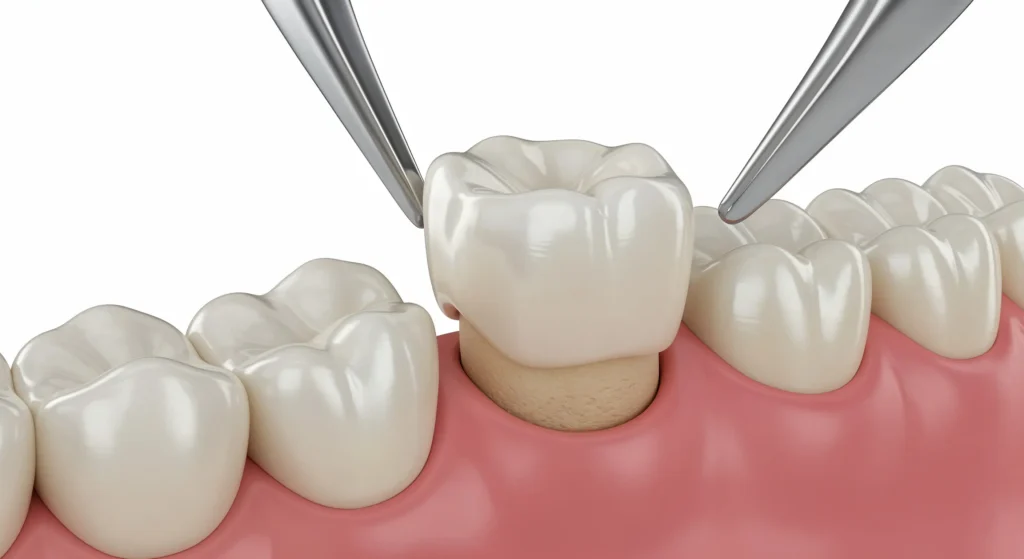
If a permanent tooth has been knocked out, time matters. Pick the tooth up by the crown, not the root. If it is dirty, rinse it very briefly with milk or saline if available, or clean water if that is all you have. Do not scrub it. In some cases an older cooperative child can hold the tooth gently in the socket while you head to the dentist, but many parents are understandably uncomfortable doing that. The safer practical option is usually storing the tooth in cold milk and going immediately. A baby tooth that has been knocked out should not be reinserted at home.
When there is a fragment from a broken tooth, bring it if you can find it. Not every piece can be reattached, but sometimes it helps the dentist assess the damage or even restore the tooth more naturally.
What to say when you call the dental office
A good call to the dental office saves time and reduces confusion. Front desk staff in pediatric and emergency practices are used to triaging situations, but they can only https://www.google.com/maps?cid=13657646669204741892 work with what you tell them. Instead of saying, “My child hurt his tooth and it’s bad,” give a sharper picture.
Mention your child’s age, when the injury happened, whether the tooth is baby or permanent if you know, whether there is bleeding or swelling, and whether the tooth is loose, broken, or completely out. If pain is the main issue, describe whether it is constant, triggered by chewing, or accompanied by fever or facial swelling. If your child hit their head or seems drowsy, dizzy, or nauseated, say that immediately.
One of the most useful habits is taking a quick photo before you leave, assuming your child tolerates it. Dental offices can sometimes advise more accurately with a clear image of the tooth and gums. It also gives you a reference if swelling worsens later.
How to prepare your child without raising the temperature in the room
Children read adult faces better than adults realize. If you look alarmed, whisper into the phone, rush in circles, or keep repeating “It’s okay” in a strained voice, many kids conclude that something terrible is happening. The aim is not to pretend everything is fine. The aim is to communicate that help is already on the way.
Use plain language. A preschooler does better with “Your tooth got hurt, and the dentist is going to help make it feel better” than with a long explanation about trauma and X rays. School age children often want more detail, but they still benefit from clarity. Tell them what will probably happen: the dentist will look, maybe take a picture of the tooth, clean the area, and decide how to fix it. If a shot or numbing medicine may be needed, avoid making promises you cannot keep. “They may use sleepy gel and medicine to make your mouth numb” lands better than “It won’t hurt at all,” especially if it does.
Choice helps. Let your child pick the stuffed animal, blanket, or music for the car ride. Let them choose whether you hold their hand in the waiting room or sit beside them. Small choices restore a sense of control in a situation where they have very little.
I have seen visits go more smoothly when parents resist the urge to overtalk. A steady voice and a short explanation often calm a child faster than a stream of reassurance. The child is already overloaded. Simplicity works.
What to bring to the appointment
You do not need a suitcase, but a few items can make a big difference once you arrive. If this is a true emergency, do not delay care to gather every possible document. Still, if you can collect things quickly, it helps.
- Your child’s insurance card, if applicable, and photo ID
- A list of medications, allergies, and relevant medical conditions
- Any tooth fragment, dental appliance, or knocked out tooth stored properly
- A water bottle, tissues, and one comfort item such as a stuffed toy
- A phone charger, because emergency visits often take longer than expected
Families who already have a small medical or dental information note on their phone tend to move through check in faster. Medication doses, allergies, and the name of the child’s regular dentist are easy to forget under pressure.
Pain relief before the visit, and what to avoid
Pain control is important, but it should be thoughtful. If your child can safely take acetaminophen or ibuprofen based on their age, weight, and medical history, either may help while you travel. Follow label directions or the instructions previously given by your pediatrician. If your child has kidney disease, liver disease, a bleeding disorder, stomach ulcers, or other medical concerns, standard over the counter advice may not apply. When in doubt, ask the dental office or your child’s physician.
Try to avoid letting a child chew on the injured side, especially if the tooth is loose or cracked. Soft foods are better if they are hungry. Very hot, very cold, and sugary foods often aggravate pain.
Topical numbing gels are less useful than many parents hope. Some wear off quickly, some taste unpleasant, and some are not appropriate for very young children. Clove oil home remedies, alcohol rinses, or random pain tablets from the back of a cabinet are not a good answer. In emergencies, familiar and simple is safer.
The waiting room challenge
The drive to an Emergency Dentist is often the easy part. The waiting room is where distress can spike again. Adrenaline wears off. The child has time to imagine what might happen. Parents start replaying the accident and wondering what they should have done differently.
Bring the room down a notch. Screens can help, but so can quieter options like a favorite song through headphones, a coloring app, or a familiar story. Avoid snacks unless the office says it is fine, because some procedures require an empty mouth, and food can complicate treatment if sedation becomes a possibility.
If your child is very young, expect that they may cry when called back even if they were calm a minute earlier. That does not mean the visit is going badly. Transition points are hard for children. Most pediatric dental teams know how to work through that moment.
It also helps to keep your own questions organized. In the room, ask what tooth is affected, what treatment is needed today, what can wait, and what signs should prompt a call later tonight. Under stress, parents sometimes focus on one big question and miss the practical details that matter once they get home.
What treatment may look like, depending on the emergency
No two emergencies look the same, but a few patterns are common. A chipped tooth may need smoothing, bonding, or a protective covering if the nerve is exposed. A loose permanent tooth may be repositioned and stabilized. A painful tooth with infection may require drainage, medication, pulpal treatment, or extraction. Soft tissue injuries may need cleaning and close monitoring even if the teeth themselves are intact.
If a child has a knocked out permanent tooth and reaches care quickly, the dentist may try to reimplant and splint it. Timing affects prognosis, which is why immediate action matters. A baby tooth is handled differently because placing it back can damage the developing adult tooth.
Parents are often surprised to learn that a child who appears “fine now” may still need follow up after trauma. Teeth can discolor, become sensitive, or lose vitality weeks later. A tooth that looked stable the day of the injury may change over time. That is one reason emergency visits often include a plan for reevaluation rather than a one time fix.
Questions worth asking before you leave
This is where many families get caught short. The immediate crisis fades and everyone is eager to go home, but aftercare drives recovery. If you do not understand the next 48 hours, ask again before you walk out.
You want clear guidance on eating, brushing, pain medicine, school attendance, sports restrictions, and follow up timing. Ask whether swelling should improve within a day or two or whether some increase is expected. Ask what after hours number to call if pain worsens. If antibiotics are prescribed, ask what they are treating and what side effects deserve attention.
The distinction between normal soreness and warning signs matters. Mild tenderness after treatment can be ordinary. Increasing swelling, fever, bad taste in the mouth, persistent bleeding, or a child who stops eating and drinking because of pain deserves another call.
When fear of cost delays care
For some families, the hardest part of an emergency visit is financial uncertainty. That concern is real, and it can slow down the decision to seek care. Still, delaying urgent dental problems in children often makes care more complex and expensive later. A minor chip can become nerve pain. A swelling that starts in the gum can spread. A tooth that might have been stabilized may become unsalvageable after too much time passes.
If cost is a concern, say so early and directly. Many offices can explain triage options, payment expectations, or phased treatment. Some can at least perform the urgent exam and pain management while you sort out longer term restoration plans. Families do better when they know the immediate priority, rather than assuming every problem must be solved completely on day one.
Building a home plan before the next emergency
The best time to prepare for a pediatric dental emergency is a calm weekend afternoon, not during one. Store the number of your child’s dentist and a local Emergency Dentist in your phone. Know which hospitals in your area handle significant facial trauma or after hours pediatric emergencies. Keep basic supplies at home: gauze, a small cold pack, children’s pain medicine that is not expired, and a clean container.
It is also worth understanding where your child is in dental development. If you know whether those front teeth are baby teeth or permanent teeth, decision making becomes much easier in an accident. Many parents are unsure, particularly around ages six to eight when children often have a mix of both.
Here is a short home readiness checklist that is actually practical, not aspirational:
- Save emergency dental numbers in both parents’ phones
- Keep gauze, a cold pack, and pain medicine together in one easy spot
- Know your child’s current weight for medication dosing
- Teach older children not to touch or scrub an injured tooth
- Review mouthguard use for sports and rough play
That last point matters more than people think. A custom or even well fitted store bought mouthguard prevents a surprising number of broken teeth, lip injuries, and orthodontic emergencies. It is one of the few simple measures that reliably lowers risk.
The emotional aftermath parents do not always expect
Sometimes the tooth is repaired, the pain is controlled, and the child is physically fine, but the event lingers. A child may become suddenly nervous about eating crunchy foods, brushing near the injured area, or going back to the sport where the accident happened. Parents can carry their own version of that stress, especially if they feel they should have prevented the injury.
A measured response helps here too. Treat the injury seriously without turning it into family folklore. Follow the dentist’s guidance, keep routines stable, and let the child’s confidence return gradually. If they are anxious at future dental visits, tell the office in advance. Children who have had one emergency often benefit from a little more preparation and a little more patience the next time they sit in the chair.
A calmer visit starts before the emergency ever happens
Preparation for an emergency dentist visit with kids is less about having the perfect answer and more about reducing chaos. Know what signs are urgent. Respond simply and quickly at home. Call with clear information. Bring the basics. Speak to your child in a calm, honest way. Ask precise questions before you leave.
Dental emergencies with children will never feel convenient, but they do become more manageable when families know how to move through the first hour. That is usually the difference between a frantic experience and a controlled one. And in pediatric dental care, control matters. It protects the tooth when possible, reduces pain sooner, and helps a scared child walk away feeling looked after rather than overwhelmed.
Simple Dental South Gate
Address: 8617 California Ave, South Gate, CA 90280
Phone number: +13236896118
FAQ About Emergency Dentist Southgate CA
What can the ER do for a tooth?
The emergency room can provide temporary symptom relief for a bad tooth, such as prescribing pain medicine or antibiotics, but it cannot fix the actual dental problem.
What is the 3-3-3 rule for tooth infection?
The 3-3-3 rule for a toothache or infection typically means taking three 200 mg ibuprofen tablets (600 mg total) three times a day for no more than three days to control pain and swelling while waiting to see a dentist.
What do you do if you have a dental emergency but no dentist?
If you have a dental emergency and no regular dentist, you should search for an urgent care dental clinic, call local walk-in dental offices, or go to a hospital emergency room if you have severe bleeding, swelling, or trouble breathing.