Invisalign for Wedding Prep: Start Your Smile Journey Early
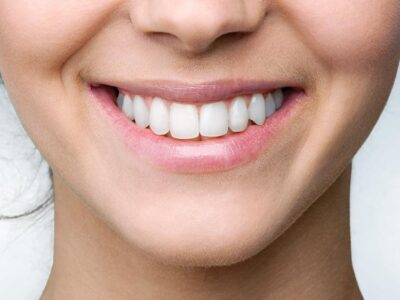
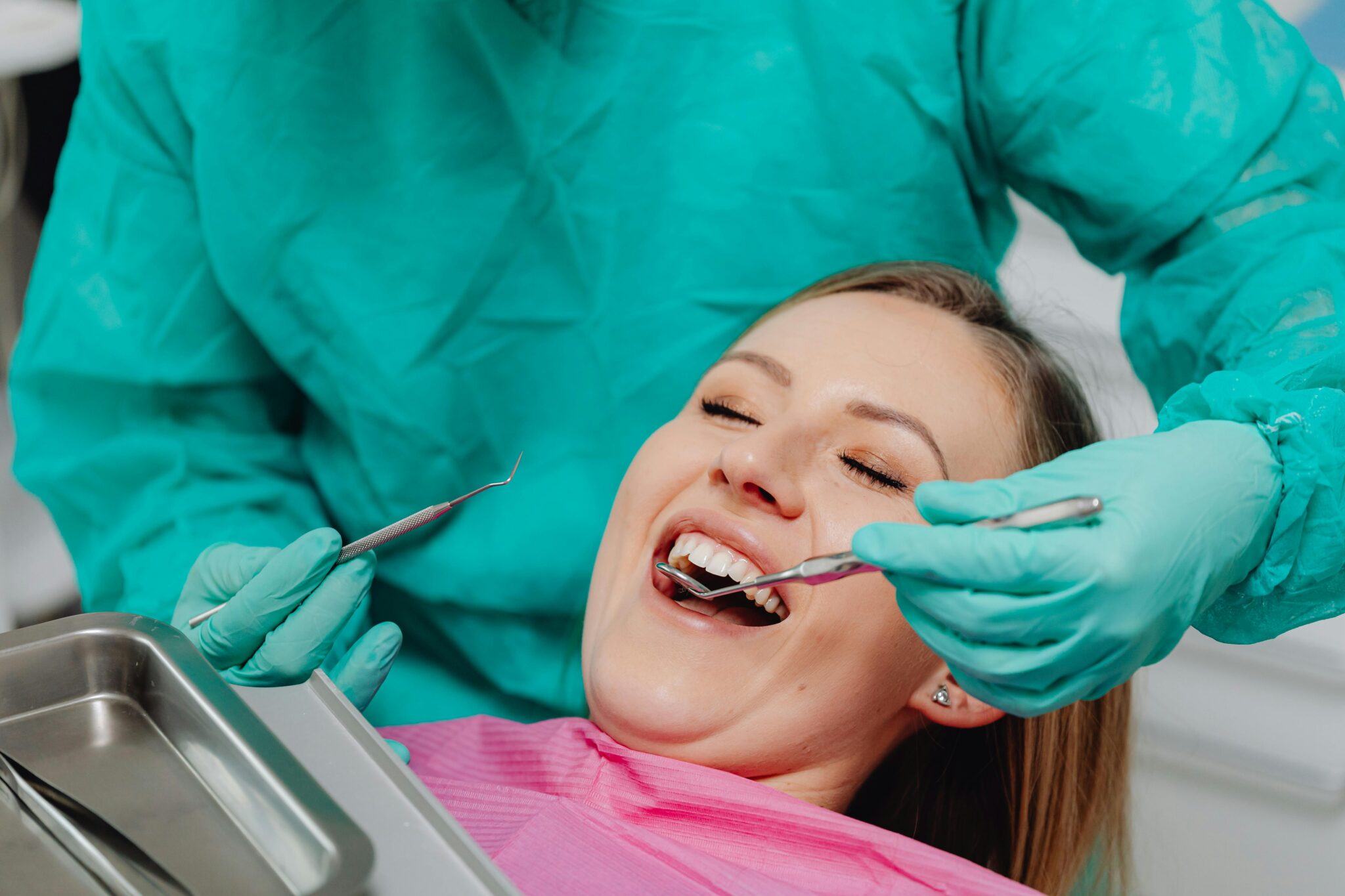
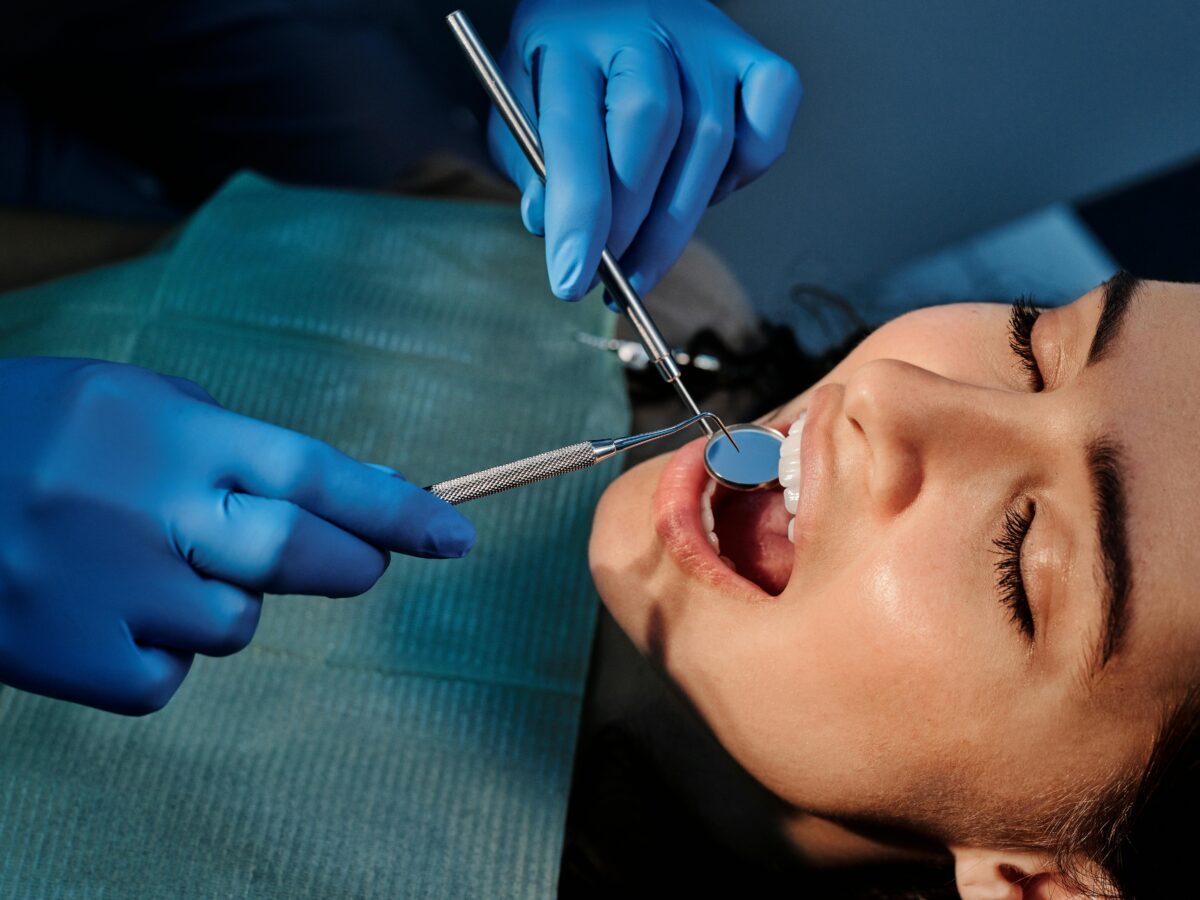
There is a particular kind of pressure that comes with wedding photos. They are not just snapshots from one afternoon. They become the images framed in a hallway, shared with relatives, revisited on anniversaries, and quietly examined years later when styles, venues, and trends have faded into the background. Your smile tends to sit at the center of all of it.
That is why orthodontic treatment often comes up during wedding planning, even for people who have postponed it for years. A bride notices she always closes her lips in photos. A groom realizes he angles his face a certain way to hide crowding. Someone gets engaged, starts trying on outfits, booking vendors, and suddenly sees every detail with fresh eyes, including the one they have learned to work around.
When people begin asking about Invisalign for wedding prep, the same issue appears again and again: timing. The idea is appealing because clear aligners are discreet, removable, and generally easier to fit into a busy adult schedule than traditional braces. But Invisalign is not a last minute beauty treatment. It is a planned orthodontic process. If the wedding date is fixed, the smartest move is usually the earliest one.
Why timing matters more than people expect
A lot of adults assume tooth movement happens on a clean, predictable timeline. They picture a digital simulation, a set of trays, and a neat transformation that finishes exactly on schedule. Real treatment is more nuanced than that.
Teeth move biologically, not cosmetically. Bone remodeling takes time. Some teeth track exactly as planned, while others need refinements, small adjustments, or extra aligners to reach the intended position. Even straightforward cases can include a period of fine tuning at the end. If someone starts too close to the wedding, they may still see improvement, but they risk being mid treatment during final fittings, pre wedding events, and professional photos.
That does not mean Invisalign only makes sense if you have years to spare. Many adults see meaningful cosmetic improvement in several months, especially if the main concerns are mild crowding, spacing, or a few front teeth that draw the eye in photos. The point is not that treatment must be complete before the wedding to be worthwhile. The point is that starting early gives you options, and options reduce stress.
For wedding prep, stress reduction has real value. Once the calendar fills with tastings, travel plans, family logistics, attire alterations, and budget decisions, dental treatment should feel organized and manageable, not like another countdown problem.
The best window to begin
If someone asks me for the safest general advice, I usually say this: begin the Invisalign conversation 12 to 18 months before the wedding if you can. That window gives enough room for consultation, records, treatment planning, active aligner wear, and any refinements that may be needed before the big day. It also leaves space for whitening, bonding, contouring, or retainers afterward if those are part of the aesthetic plan.
That said, not everyone has that kind of runway. Engagements vary. Some couples book a date two years out. Others decide on six or eight months. Invisalign can still be worth discussing, but expectations need to match the timeline.
If you have roughly a year or more, you are in the strongest position. Your provider can plan with both orthodontic and cosmetic timing in mind. If you have six to nine months, the case may still be very workable, particularly if the goals are modest and front facing alignment is the priority. If you are inside the last three to four months, it becomes more of a judgment call. Some patients are still happy to start, knowing they may not finish by the wedding but will at least look improved. Others prefer to wait until afterward, especially if they do not want attachments visible in close up photos.
The right answer depends on severity, goals, compliance, and how much treatment flexibility you want on the wedding day itself.
What Invisalign can realistically improve before a wedding
Many people think only in terms of “straight teeth,” but wedding smile prep is often about visual harmony rather than perfection. Small shifts can have an outsized effect in photos. A tooth that overlaps its neighbor by a millimeter or two can catch light oddly in every smile. A slight rotation in a front tooth can make the whole arch look less balanced. Closing a small gap can change how confidently someone smiles long before treatment is technically complete.
Invisalign is often well suited for those kinds of concerns. Mild to moderate crowding, spacing, and certain bite related esthetic issues can respond beautifully. The digital treatment planning also helps patients see where they are headed, which is reassuring when there is a firm event date on the calendar.
Still, there are limits. More complex bite corrections, significant rotations, larger spacing issues, or cases involving extractions may require more time and more patience. Some smiles look noticeably better at the six month mark, yet still need another six months or more to finish properly. That is not a failure. It is simply the biology and mechanics of tooth movement.
A useful mindset for wedding prep is to separate “photo ready” from “fully finished.” Sometimes those dates are the same. Sometimes they are not.
The consultation should include your wedding date on day one
This is one of the most practical pieces of advice I can offer: say the wedding date out loud at the initial consultation. Do not treat it as an aside. It is a planning factor.
When your orthodontist or dentist knows the event date from the start, they can tailor the conversation around what is feasible, what is likely, and what trade offs might come up. They can discuss whether your case is a good candidate for accelerated cosmetic improvement, whether attachments will probably be present in visible areas, whether refinements are likely, and whether a temporary pause for the wedding week makes sense.
That conversation matters because Invisalign treatment is not just about aligners. It often includes attachments, those small tooth colored bumps bonded to teeth that help guide movement. They are subtle, but not invisible. In everyday life, most people barely notice them. In macro photography or bright direct lighting, they can sometimes show. For some patients, that is no concern at all. For others, especially those focused on close up beauty shots, it is worth discussing ahead of time.
Planning ahead may also allow a provider to time refinements or attachment removal in a way that suits the event calendar. The earlier that discussion happens, the better.
Wedding photos change the decision more than daily life does
Adults often tolerate little smile insecurities in regular life because they know how to manage them. They smile with closed lips, tilt their head, laugh without showing teeth, or crop certain angles when posting photos online. Wedding photography removes a lot of those habits. A professional is capturing hundreds, sometimes thousands, of images from every side, at every emotional moment, often in bright natural light.
That is why even people who are not generally self conscious about their teeth can become more aware of them during engagement season. It is not vanity. It is anticipation. They know the camera will catch everything, including the expressions they cannot rehearse.
I have seen patients relax visibly once treatment begins, even before major changes appear. There is reassurance in knowing they are addressing the issue instead of carrying it into the wedding unchanged. Momentum matters. Feeling proactive changes how people carry themselves, and confidence tends to show up in photographs just as clearly as alignment does.
Life with aligners during a packed wedding schedule
One reason Invisalign appeals to engaged adults is that it fits more smoothly into an already crowded calendar. You remove the trays to eat, drink anything other than water, brush, and floss. There are no emergency visits for broken wires. Office appointments are usually brief and spaced out. For many professionals and frequent travelers, that convenience is a major advantage.
But convenience is not the same as effortlessness. Successful Invisalign treatment depends heavily on wear time. Most patients are told to wear aligners about 20 to 22 hours a day. Wedding season can disrupt that if you are not careful. Engagement parties, cake tastings, bachelorette or bachelor trips, long rehearsal dinners, and holiday gatherings all create more opportunities to leave trays out “just for a bit.”
That is where early treatment helps again. When you are not trying to squeeze major progress into a short period, an occasional longer meal or special event is less likely to feel catastrophic. There is more buffer in the plan. You are less tempted to rush tray changes or cut corners.
A few practical habits make a difference. Keep your aligner case with you, not wrapped in a napkin on a restaurant table. Brush before putting trays back in after coffee or wine when possible. If you are traveling for venue visits or pre wedding events, pack backup supplies. These sound like small things until someone loses a tray during a weekend trip and spends the next week wondering if treatment is off track.
If you want whitening or cosmetic finishing, build that in
A straighter smile often leads people to notice color, shape, and symmetry next. This is not a problem. It is normal. Once alignment improves, the eye starts picking up details that used to be hidden by crowding or rotation.
For wedding prep, many patients hope to combine Invisalign with whitening, edge smoothing, bonding, or even replacing old dental work that no longer matches. These are reasonable goals, but sequencing matters. Whitening is typically more predictable after teeth are aligned, because surfaces are more evenly exposed. Bonding is often best delayed until final tooth https://maps.app.goo.gl/qwemdSbhdbvoCnq5A positions are established. Retainers should be part of the plan, especially if treatment finishes close to the wedding date.
This is another reason not to start late if your expectations go beyond alignment alone. Cosmetic finishing can be the difference between “my teeth are straighter” and “my smile looks polished in every photo.” That finishing stage needs room on the calendar.
What happens if you start late anyway
Late starts are common. People get engaged, look at the timeline, and realize they have six months, maybe less. That does not automatically rule Invisalign out. It simply changes the conversation from ideal planning to strategic prioritizing.
In these cases, I usually see three possible paths. One patient decides to start because even partial improvement will make them feel better in photos. Another chooses a limited treatment plan focused on the most visible front teeth. A third decides to wait until after the wedding to avoid attachments, scheduling, and the pressure of an unfinished treatment.
None of those choices is inherently better than the others. They depend on personality, budget, and expectations. The mistake is assuming there is enough time for a full transformation without asking for a candid assessment.
A professional opinion should include not just the best case scenario, but the likely one. If refinements are probable, you should know that. If your front teeth can improve quickly but your bite will take longer, you should hear that clearly. If the provider believes the timeline is unrealistic, that honesty is valuable.
Cost, value, and where wedding budgets complicate things
Orthodontic treatment during an engagement often collides with one obvious reality: weddings are expensive. Even couples with healthy budgets tend to feel the strain once deposits start stacking up. Invisalign can be a worthwhile investment, but it needs to be considered alongside the broader financial picture.
For some patients, the value is straightforward because they planned to pursue orthodontics anyway and the wedding simply gave them a deadline. For others, it becomes an emotional purchase tied to a single event. That distinction matters. If the treatment is something you want for your long term dental health, confidence, and function, it is easier to justify. If the motivation is purely cosmetic and event specific, you may want a calmer conversation about whether the timing and cost truly make sense.
Many practices offer payment plans, but monthly obligations during wedding planning can still feel heavy. There is no shame in deciding that aligners belong in the year after the honeymoon rather than the year before. A rushed or financially stressful treatment experience can dull the excitement it was supposed to support.
The partner factor, and why shared honesty helps
Couples do not always discuss smile insecurities openly, but wedding planning tends to surface them. One person may be deeply motivated to improve their teeth, while the other is surprised because they have never noticed the issue or never thought it mattered. Those conversations can be unexpectedly tender.
I have seen partners become the strongest source of support once they understand the concern. They remind each other to pack aligner cases, laugh about temporary speech changes in the first week, and celebrate small visible improvements along the way. I have also seen the opposite, where someone minimizes the concern because they think reassurance alone should solve it.
Reassurance is kind, but it does not replace agency. If a person has spent years feeling self conscious about their smile, taking steps to address it before a major life event can be deeply affirming. The best support is usually a mix of perspective and respect: you look great already, and if this matters to you, let us make a realistic plan.
A short planning checklist that actually helps
If you are considering Invisalign before your wedding, a few decisions deserve attention sooner rather than later:
- Book a consultation as soon as the date is set, even if you are still unsure.
- Tell the provider your exact wedding date and ask what is realistic by then.
- Ask whether attachments will be visible and whether refinements are likely.
- Discuss any whitening or cosmetic touch ups you hope to do afterward.
- Decide whether you want full completion before the wedding or simply noticeable improvement.
That short list can prevent a lot of avoidable disappointment. Most timeline problems come from assumptions, not from treatment itself.
When waiting until after the wedding is the smarter move
There are cases where the best professional advice is to hold off. If the timeline is extremely tight, if the case is complex, if compliance is likely to be poor during a very busy engagement, or if the budget is already stretched thin, waiting can be the more sensible choice.
This is especially true for patients who know they will fixate on every treatment detail. If wearing aligners, managing attachments, or juggling appointments will add more stress than confidence, there is no rule saying orthodontics must happen before the ceremony. In fact, some patients enjoy starting afterward because they can focus fully on the process without linking every tray change to a looming event.
Post wedding treatment can also be emotionally easier. The urgency is gone. The decision becomes about your long term smile, not one date on the calendar. For many adults, that leads to better compliance and a more relaxed experience.
The biggest mistake is waiting too long to ask
People delay orthodontic consults for all sorts of reasons. They assume they are not candidates. They think treatment will be too visible. They worry the process will be inconvenient or too expensive. Or they simply tell themselves they will revisit it next month, then next season, then after one more major event.
Wedding prep has a way of exposing the cost of that delay. Once the date feels close, people often realize they would have started sooner if they had understood what was possible.
That is the real message here. Starting your smile journey early does not lock you into anything. It gives you information, room to plan, and the chance to make a thoughtful decision without the pressure of the final countdown. If Invisalign is a good fit, early action can make treatment feel calm, strategic, and genuinely helpful. If it is not the right timing, you will know that too, and you can move forward without second guessing.
A wedding day smile is never only about tooth position. It reflects comfort, confidence, and the freedom to be fully present. When people start early, they give themselves the best chance of showing up to that day with one less thing to hide.
Omni Dental Specialty
Address: 1690 E Gonzales Rd, Oxnard, CA 93036
Phone number: +18053666000
FAQ About Invisalign
How much does Invisalign actually cost?
The out-of-pocket cost for Invisalign typically ranges between $3,000 and $8,000, with most patients paying a national average of roughly $5,100 to $5,700 before insurance.
What is the downside to Invisalign?
The biggest downsides to Invisalign are the intense discipline required to wear the trays 22 hours a day, the inconvenience of removing them to eat or drink, and the inability to fix severe, complex orthodontic issues.
Is $5000 a lot for Invisalign?
No, $5,000 is not considered a lot for Invisalign; it is exactly the national average. Treatment costs typically fall between $3,000 and $8,000, and $5,000 is the standard fee for a moderately complex case that takes 6 to 18 months to complete.